
What Smart Investors Should Know Before They Buy Property in Dubai
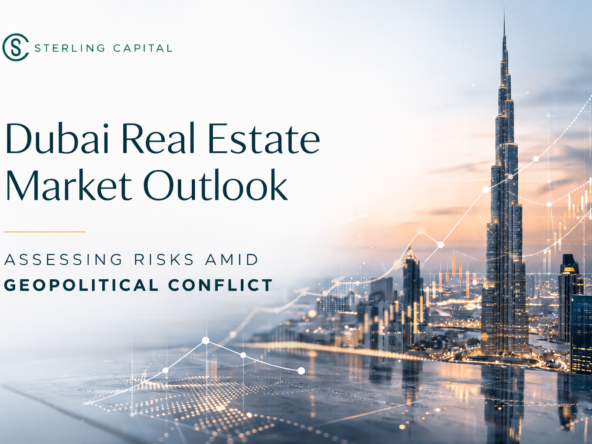
As the global real estate landscape continues to shift, Dubai remains one of the most attractive markets for long-term capital allocation. The first half of 2025 confirms this: demand for well-located assets remains strong, foreign direct investment continues to flow in, and the city’s regulatory environment is increasingly investor-friendly. But with the real estate cycle maturing, buyers and investors looking to buy property in Dubai must now approach the market with greater precision and discipline.
At this juncture, Dubai offers not only opportunity, but also complexity. Navigating this next chapter successfully requires a keen understanding of where the market stands, and more importantly, where it’s headed.
Market Cycle: From Acceleration to Maturity
Dubai’s real estate market has undergone a full cycle in just five years:
-
2019–2021: A recovery phase marked by re-entry of capital into prime zones like Downtown, Dubai Marina, and Palm Jumeirah.
-
2021–2022: Exponential growth, driven by record-breaking off-plan sales, rising prices, and strong foreign interest.
-
2023–2025: Peak supply emerges. With more new projects launched than absorbed, the market now transitions into a late-cycle phase defined by slower appreciation and increased competition among developers.
This evolution signals not the end of opportunity, but a shift in its nature. For those intending to buy property in Dubai, the next phase will be less about speculation—and more about strategy, quality, and value preservation.
Headwinds and Market Realities in Mid-2025
Several trends are shaping today’s buyer and investor experience:
-
Luxury Segment Pressure: Inventory in branded residences and waterfront developments has grown faster than absorption. As a result, resale premiums are compressing and time-to-exit is extending.
-
Mid-Market Saturation: Locations such as Jumeirah Village Circle (JVC), Arjan, and Al Furjan face overlapping off-plan launches, creating buyer fatigue and slower appreciation curves.
-
Price Softening in Fringe Zones: Outer communities like Dubailand and Dubai South are witnessing early assignment resale discounts as investor expectations adjust.
-
Incentivized Buying: Developers are offering aggressive terms—0% DLD fees, post-handover payment plans, and turnkey furniture packages—making today’s buying conditions favorable for end-users.
-
Rental Yields Stabilize: While Dubai remains one of the few global cities offering yields above 6–7%, rental growth is plateauing in some oversupplied communities.
Rethinking Strategy: What Smart Capital Should Do Now
Given the current dynamics, the most important shift is psychological: from opportunism to selectivity. Whether you are buying your first property or managing a diversified portfolio, consider the following three-phase approach:
Phase I (2025–2026): Strategic Entry
-
-
Target transitional but livable locations with improving infrastructure (e.g., Dubai South, MBR City fringe, emerging creekfront zones).
-
Prioritize utility over brand. Well-designed floor plans, usable outdoor space, and low service charges will matter more than celebrity tie-ins.
-
For rental investors: Choose units near metro connectivity or new employment clusters, where leasing demand remains resilient.
-
Phase II (2026–2027): Consolidation in a Softer Market
-
-
Expect price rationalization in overbuilt sectors and negotiate from a position of strength.
-
Favor developers with strong delivery track records and sustainable community management.
-
For buyers seeking long-term homes, this is the time to acquire premium stock at discounted valuations.
-
Phase III (2028–2030): Realize Gains, Reinvest
-
-
Well-positioned assets purchased in 2025–2026 are expected to benefit from capital appreciation as the next upswing begins.
-
Prepare to exit or refinance with 10–20% return targets, or consolidate assets into income-generating portfolios.
-
With improved rental demand and renewed global attention, Dubai’s next growth cycle is likely to be more fundamentals-driven.
-
2025 Segment Outlook
| Segment | Opportunity | Risk Profile |
|---|---|---|
| Luxury | Undersupplied boutique projects with strong design identity | 🔴 High Oversupply |
| Mid-Market | Stable end-user appeal if quality and pricing align | 🟠 Moderate Risk |
| Affordable | Strong rental base and low entry cost | 🟢 Low Risk |
The Bottom Line: Why Now Still Matters
Dubai’s real estate market has not slowed—it has simply evolved. The broad-based boom of the early 2020s is giving way to targeted opportunity. The investors and buyers who will thrive in this next cycle are those who focus on usability, cash flow, and long-term value creation.
Whether you are entering the market for personal use, yield generation, or capital growth, the message is clear: buy property in Dubai with purpose and foresight.